
TILE FLOORING THAT MAKES SENSE
Tile Flooring That Brings Lasting Style and Strength
Give your home a floor that looks great and stands up to years of use. Explore porcelain and ceramic tile options with durable, easy-care surfaces and finishes suited to your space. Compare styles, slip-resistance features, and prices to find tile that helps reduce maintenance concerns and offers lasting value.




EXPLORE TILE FLOORING
Porcelain or Ceramic? Find the Right Tile for Your Home
Not all tiles perform the same way. Porcelain and ceramic offer different advantages in strength, moisture resistance, and price. Explore both options to find flooring that suits your space, preferences, and budget.
EXPLORE OUR TILE COLLECTION
Find Tile Flooring That Feels Right for Your Home
A floor can look perfect in a showroom but feel completely different once installed. Browse porcelain and ceramic tile flooring in a variety of colors, sizes, and finishes. Compare your options to find a design that works with your interiors.
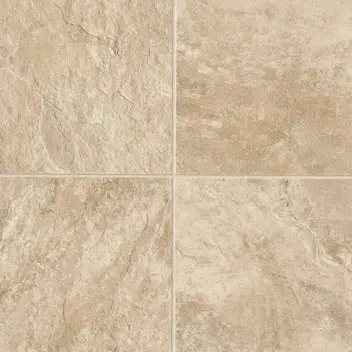
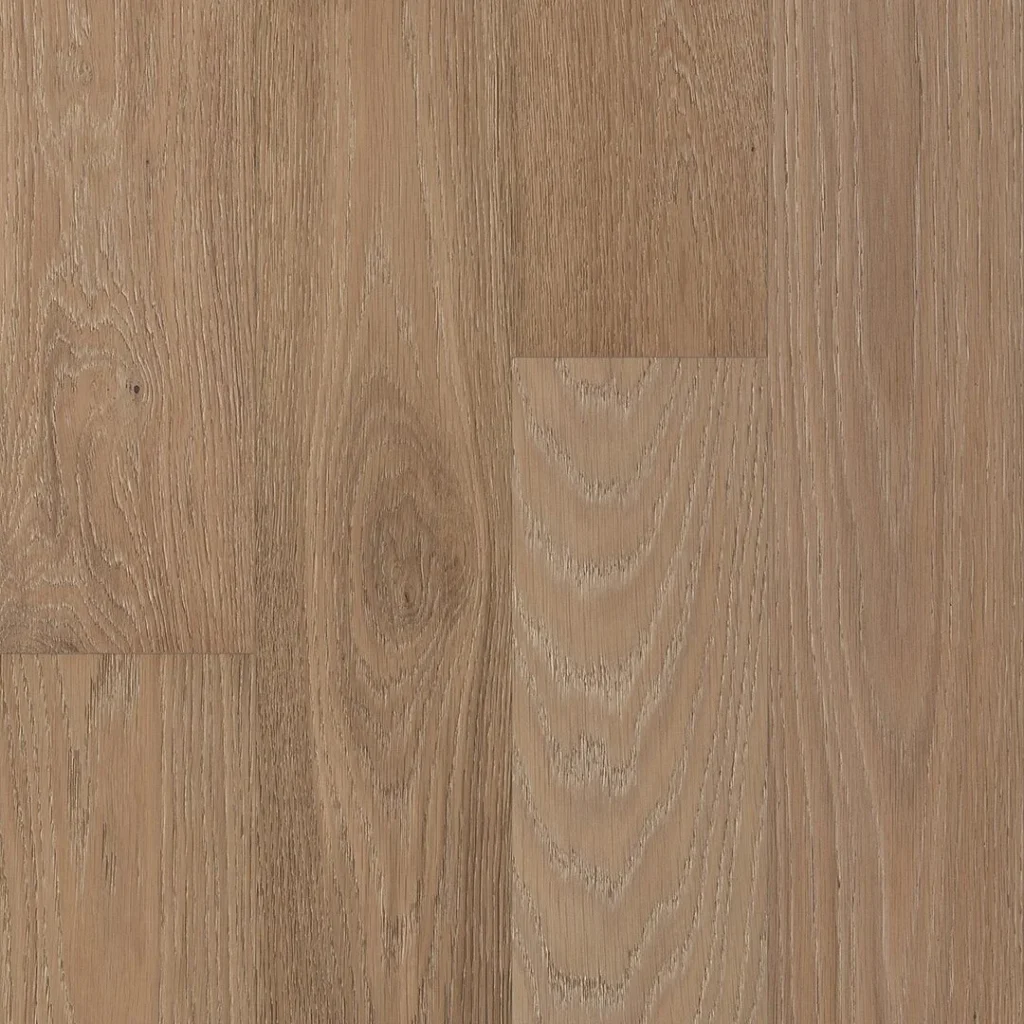
Engineered Hardwood
Grand Prairie – Oak
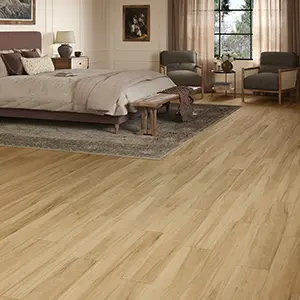
The Grand Prairie collection features European Oak wood with a lightly brushed surface that reveals the wood’s grain, character knots, and tonal contrast. The warm, earthy palette ranges from soft golden ambers and rich chestnuts to deep, smoky burnt umbers. An ultra-matte coating resists everyday wear while maintaining a refined, natural appearance underfoot. The result works across rustic and contemporary interiors and holds up to real family living.
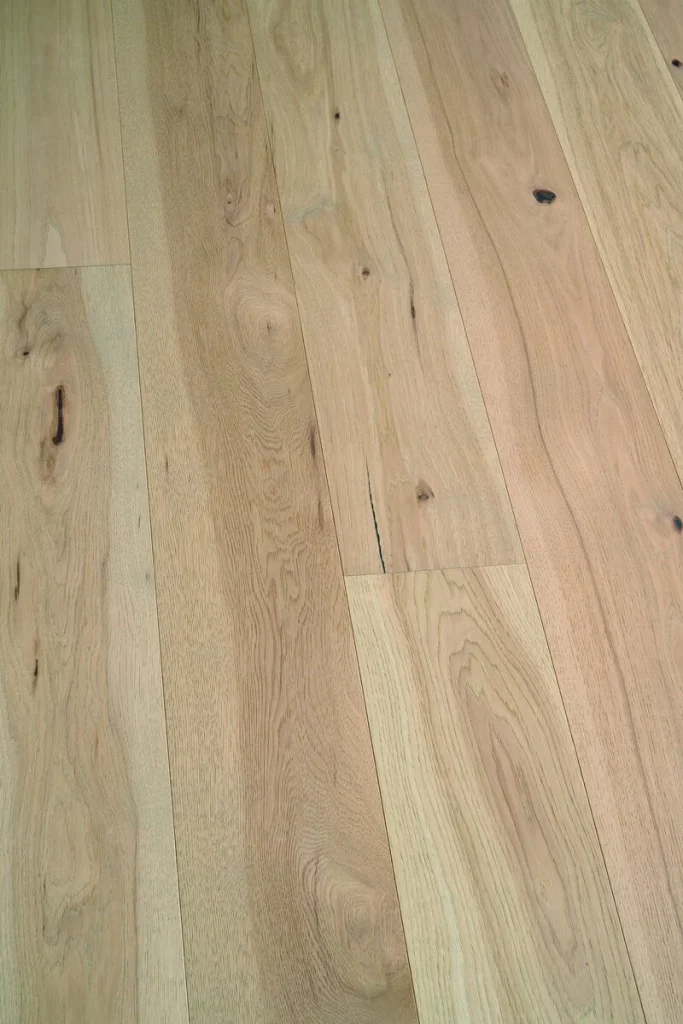
Engineered Hardwood
Silver Bell
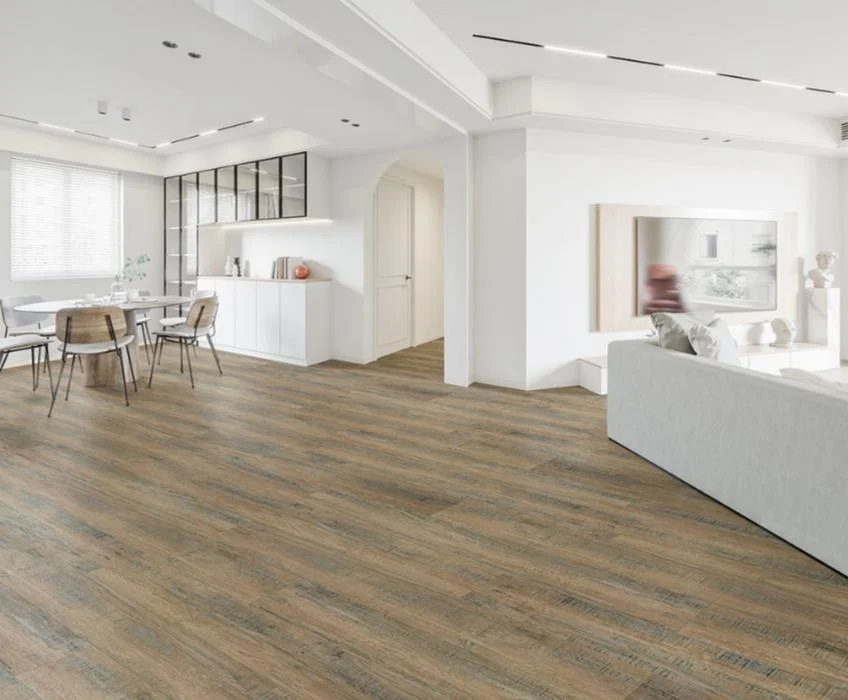
Silver Bell is American Hickory with a lightly wire brushed surface that reveals the wood’s flowing grain patterns, character knots, and the contrast between light and dark tones. The palette of soft creams, pale wheats, and warm neutrals works in sleek modern interiors and relaxed transitional rooms alike.
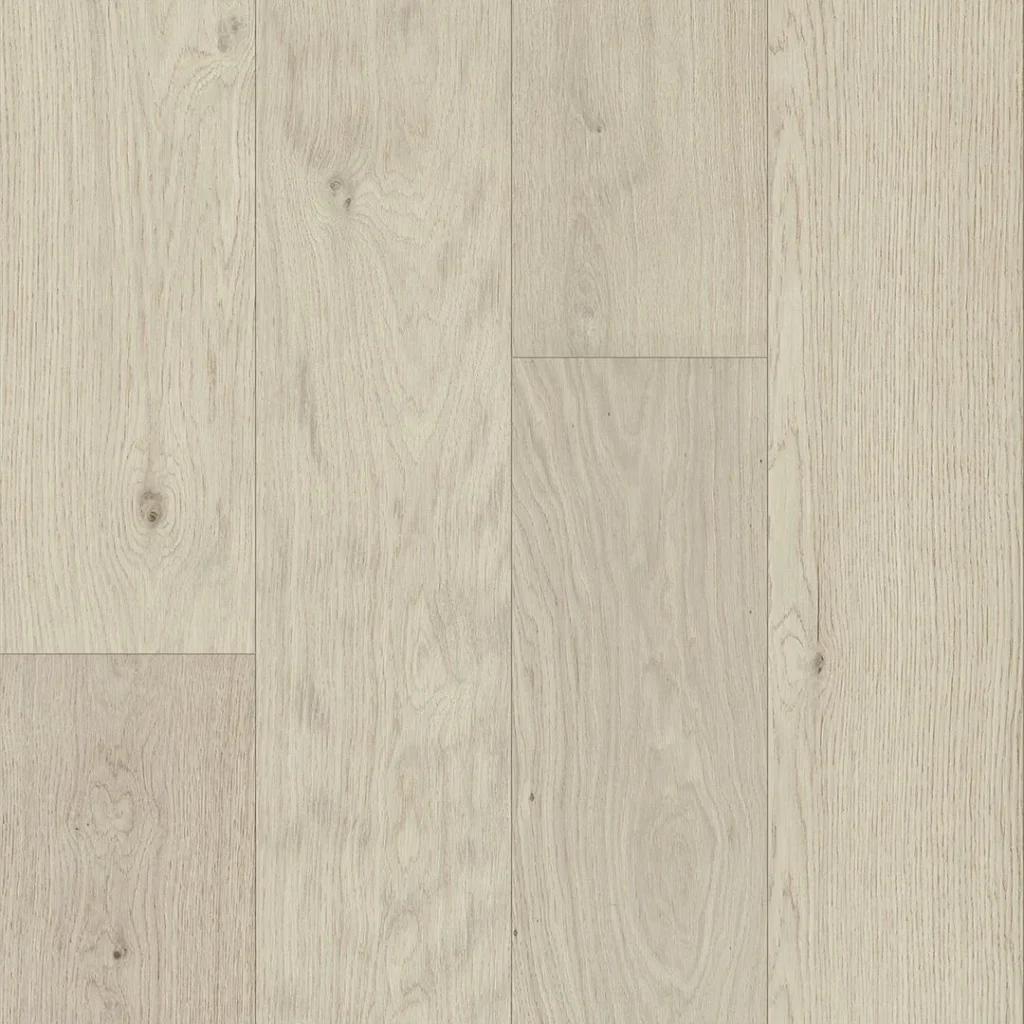
Engineered Hardwood
Lotus Lodge
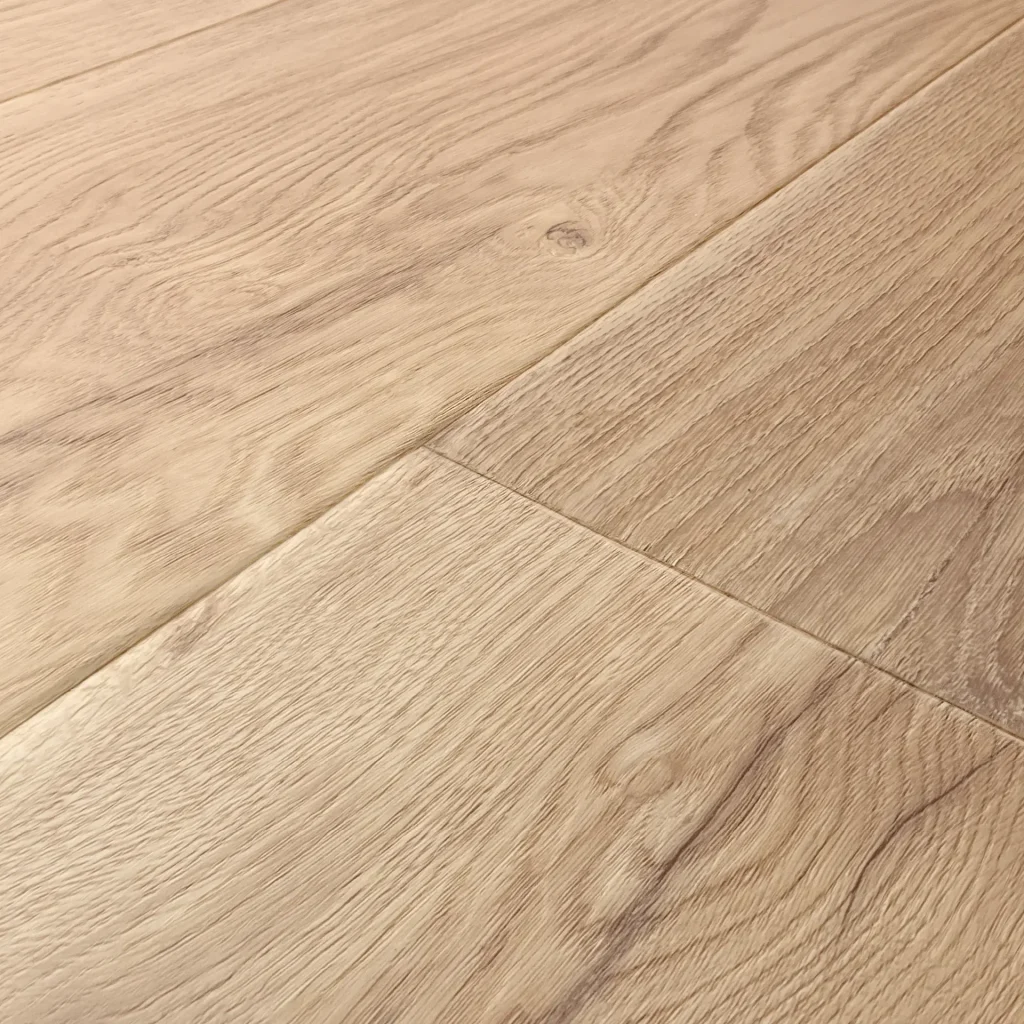
Lotus Lodge features European Oak with a lightly wire brushed surface that reveals the wood’s grain and organic texture. Wide planks and a matte finish work in contemporary and transitional spaces. The palette ranges from soft naturals and creamy blondes to toasted tones.
Engineered Hardwood
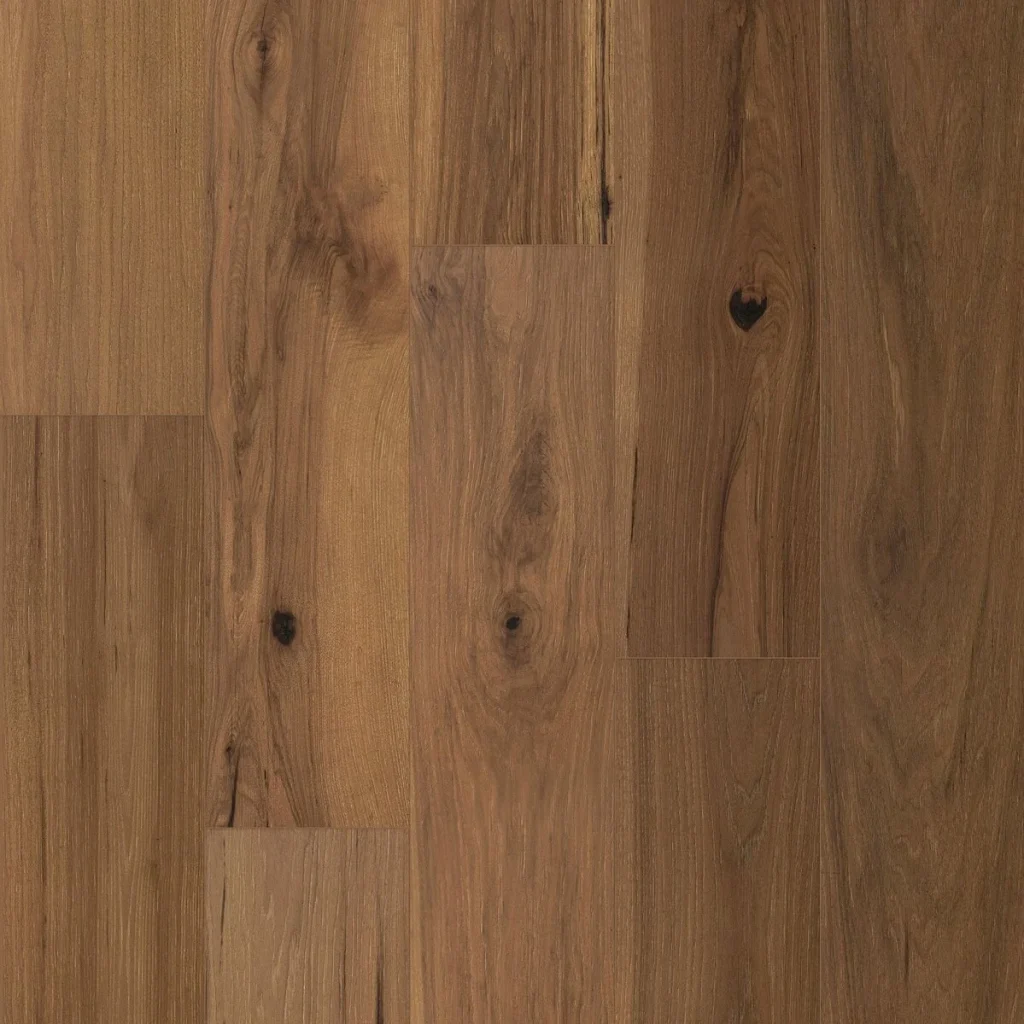
Grand Prairie – Hickory
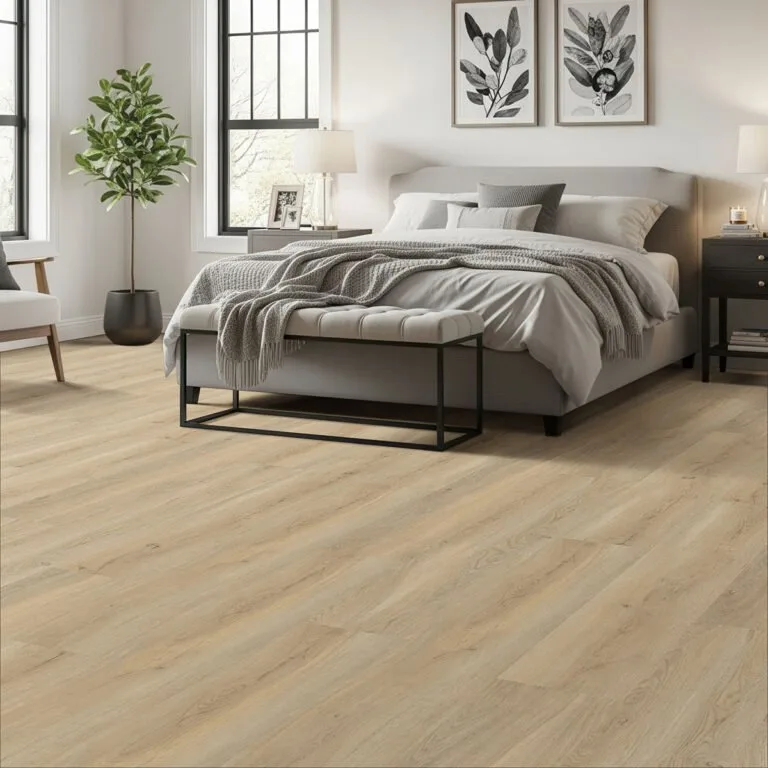
The Grand Prairie collection features hickory with a lightly brushed surface that reveals the wood’s grain, character knots, and tonal contrast. The warm, earthy palette ranges from soft golden ambers and rich chestnuts to deep, smoky burnt umbers. An ultra-matte coating resists everyday wear while maintaining a refined, natural appearance underfoot. The result works across rustic and contemporary interiors and holds up to real family living.
No products match these filters.
THE TILE FLOORING ADVANTAGE
Beautiful Floors Without Constant Worry
Your floors should look inviting without demanding constant attention. Tile flooring offers practical choices for homeowners who want durable surfaces, attractive finishes, and materials suited to their space.
PLAN YOUR FLOORING PROJECT
Get Clear on Your Tile Flooring Budget
Not sure how much tile you’ll need or which option fits your budget? Tell us about your project, preferred tile type, and approximate floor area. Contact Moda Floors for product information, availability, and pricing before making your decision.
Have Questions? Call Us
(224) 567-8607
Monday–Friday: 10 AM–5 PM · Saturday: 10 AM–3 PM · Sunday: Closed
Request Your Vinyl Flooring Quote
Share your project details. Fields marked optional can be left blank.
Loading contact form…
The form could not load right now. You can still reach Moda Floors directly:
Our Flooring Brands
Know the Brand Behind Your New Floor
Choosing tile is easier when you can compare more than just appearance. Explore manufacturer collections and review product details, recommended applications, and warranty information before you buy.





A Strong Tile Floor Starts With the Right Installation
Even high-quality tile can crack or loosen when the subfloor or installation materials aren’t suitable. Understanding the main installation methods can help you plan your project and ask the right questions before work begins.
Thin-Set Mortar Installation
A common method for installing porcelain and ceramic floor tiles. A compatible tile-setting mortar bonds the tile to a properly prepared surface. Correct mortar selection, coverage, and subfloor preparation are essential.
Browse compatible stylesMortar Bed (Thick-Set) Installation
This traditional method uses a thicker mortar bed to create a suitable base for tile. It may be specified for projects requiring a particular floor assembly, height adjustment, or substrate preparation.
Explore glue-down vinylWorth checking: Installation requirements vary by manufacturer and product. Core construction (such as SPC or WPC) is not itself an installation method. Ask about a suitable option
Budget & Value
Know What Goes Into Your Tile Flooring Cost
The price on a tile box isn’t always the total cost of the project. Tile selection, surface preparation, installation materials, and finishing details can all affect your budget. Understanding these costs helps you compare your options before buying.
Tile Material & Quality
Porcelain or ceramic construction, size, finish, design, and manufacturer influence material pricing.
Floor Area & Tile Quantity
Room measurements, tile dimensions, layout patterns, and cutting waste determine how much tile you'll need.
Subfloor & Installation Requirements
Repairs, leveling, membranes, mortar selection, and installation complexity can affect project costs.
Grout & Finishing Materials
Grout, movement joints, edge trims, and other finishing materials contribute to the completed floor.
What to Check Before Choosing Tile Flooring
Choosing tile involves more than finding the right color. Surface finish, tile size, grout, and room conditions can affect how your floor looks and performs. Understanding these details before purchasing can help you avoid expensive changes later.
Porcelain vs. Ceramic Tile: Which Should You Buy?
Porcelain tile has a denser, lower-absorption body, which makes many porcelain products suitable for demanding flooring applications. Ceramic tile offers a wide selection of styles and can be a practical choice for suitable residential floors. The better option depends on where you plan to install it, the product’s performance ratings, and your budget. Always confirm that the selected tile is approved for floor use.
How to Choose Tile Flooring That Isn’t Too Slippery
A polished tile may look attractive, but appearance alone cannot tell you how slippery it will be when wet. Surface texture and tested slip resistance matter, especially near bathrooms, entrances, and other splash-prone areas. Look for the manufacturer’s intended-use guidance and relevant slip-resistance information. A tile suitable for a dry living area may not be the best choice for a wet location.
Choosing the Right Tile Size for Your Space
Large-format tiles can create a clean appearance with fewer grout lines, while smaller tiles offer more pattern flexibility. The right size also depends on room dimensions, substrate flatness, drainage, and layout. Before choosing oversized tiles, understand whether additional floor preparation or specialized installation materials may be needed. Consider both the finished appearance and the cost of installing the selected format.
Tile Finish and Color: Avoiding Design Regret
A tile may look lighter, darker, or more reflective under different lighting. Matte finishes often produce a softer appearance, while glossy surfaces reflect more light. Compare actual samples against your cabinetry, walls, and furniture. If possible, view several pieces together to understand pattern variation. Checking samples before ordering can help you avoid choosing a floor that feels different from what you expected.
Grout Lines and Maintenance: What to Expect
Grout affects both the appearance and upkeep of tile flooring. Grout width, color, material, and installation quality can influence how noticeable the joints become. Light grout may show dirt more readily in busy areas, while darker grout can create stronger contrast. Ask which grout is compatible with your selected tile and whether sealing or special cleaning is recommended. Proper grout maintenance helps protect the appearance of the finished floor.
How to Avoid Cracked or Loose Tile
Cracked tiles aren’t always caused by poor tile quality. Subfloor movement, inadequate support, missing movement joints, or incorrect mortar application can contribute to damage. Before installation, make sure the floor assembly is suitable for the tile and installation method. Proper preparation may require additional time or materials, but it can help reduce problems that are expensive to fix after the floor is finished.
FREQUENTLY ASKED QUESTIONS
Tile Flooring Questions, Answered
Get practical answers to the concerns homeowners often have before choosing porcelain or ceramic tile.
Porcelain is generally denser and absorbs less water, making it a strong option for demanding applications. Ceramic tile can also work well on residential floors when the specific product is floor-rated. The best choice depends on the room, product rating, and budget.
Yes. Both can crack under excessive force, subfloor movement, or unsuitable installation conditions. Selecting an appropriate floor-rated product and following correct installation requirements can help reduce the risk.
Some tiles can become slippery when wet, especially certain smooth or polished finishes. Check the product’s slip-resistance information and suitability for the intended location rather than relying on appearance alone.
Many glazed porcelain and ceramic tiles are straightforward to clean. Grout and some tile finishes may need additional care. Follow the manufacturer’s cleaning recommendations and use suitable products.
Porcelain is often more expensive than comparable ceramic tile, but prices vary by brand, size, finish, and collection. Installation and preparation expenses also affect the overall cost.