
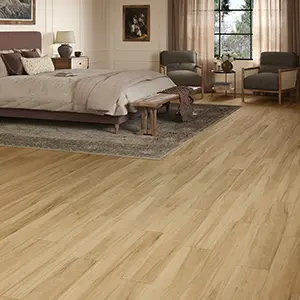
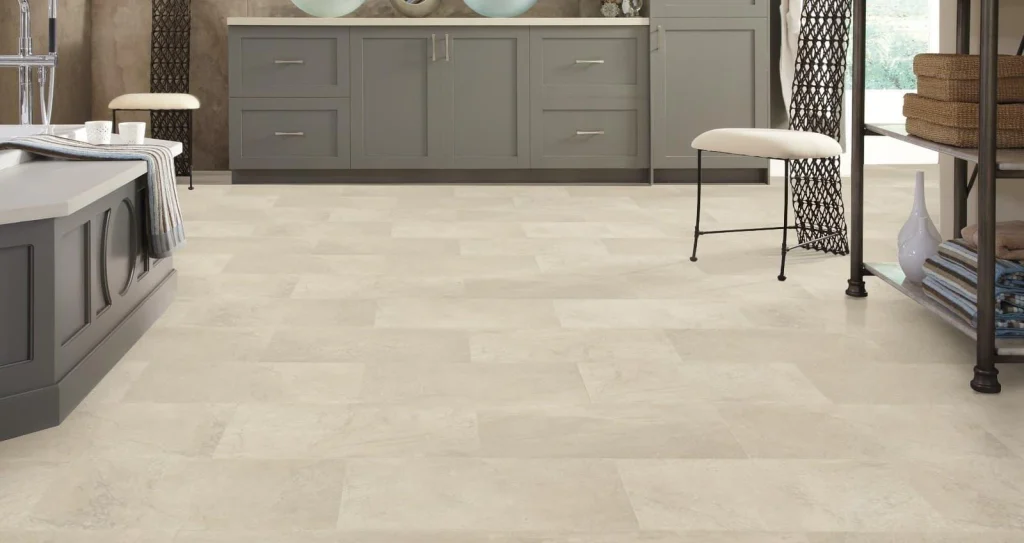
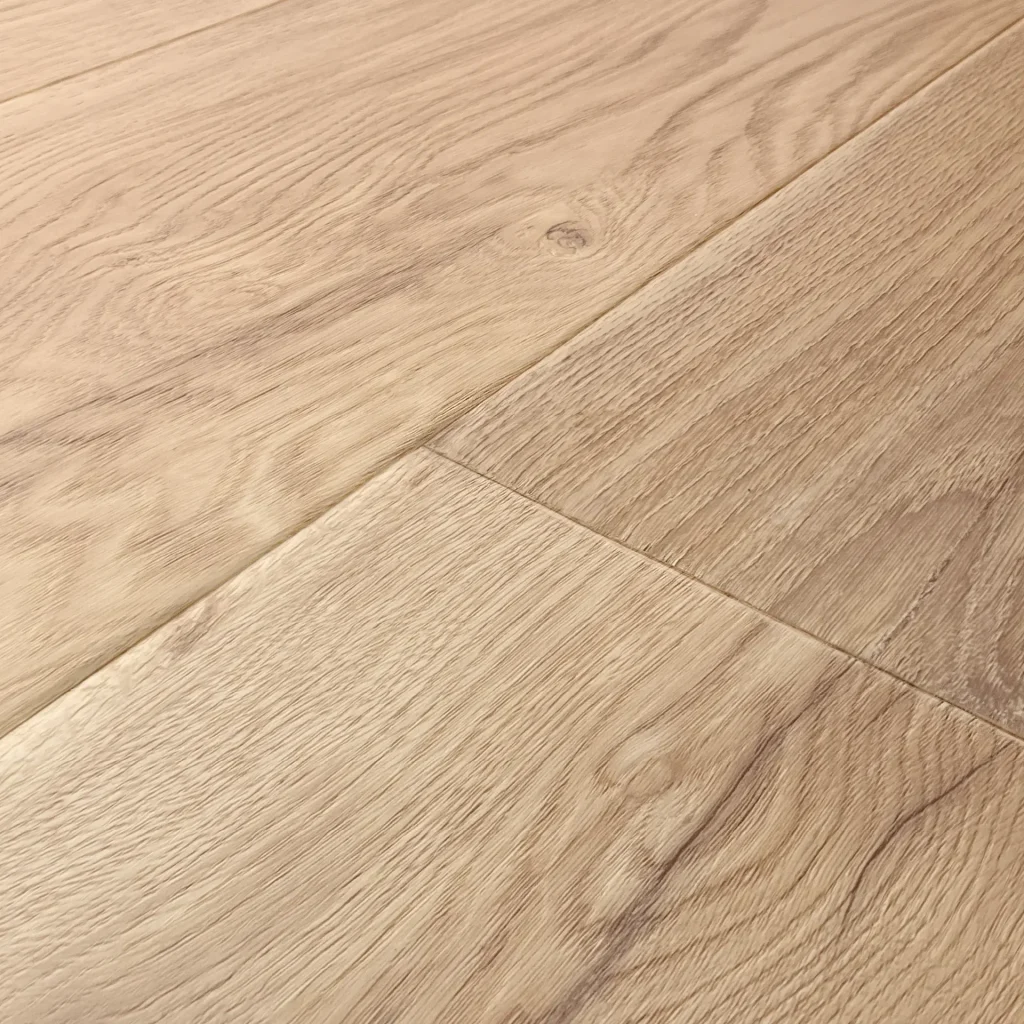
REAL WOOD. LASTING CHARACTER.
Hardwood Flooring That Brings Natural Beauty and Lasting Value
Bring the warmth and character of real wood into your home with hardwood flooring worth investing in. Explore solid and engineered hardwood options in different species, colors, and finishes. Compare quality, care requirements, and long-term value to find a floor you’ll feel confident choosing.
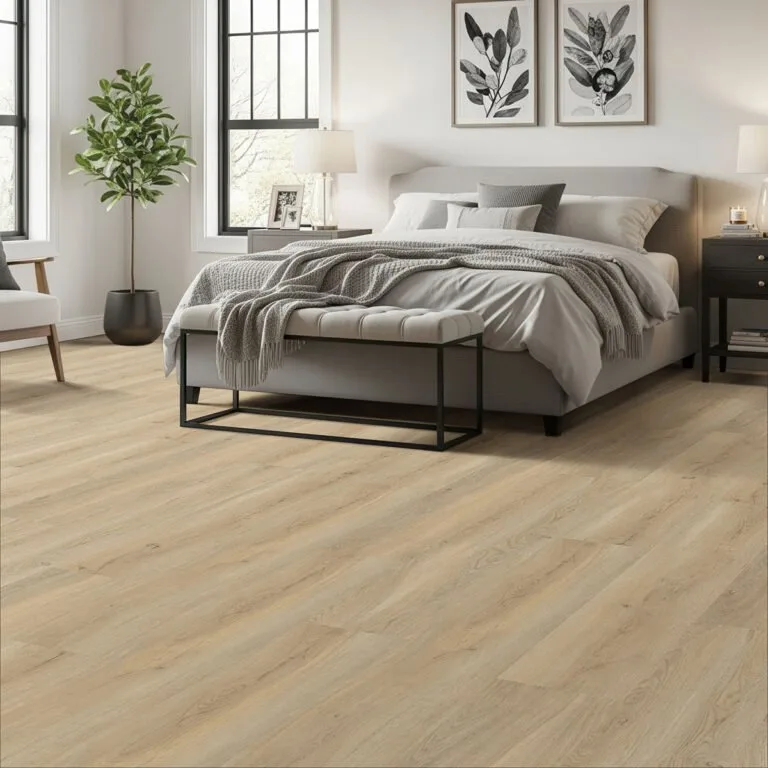




EXPLORE HARDWOOD FLOORING
Solid or Engineered? Find the Hardwood That Fits Your Home
Both options offer the beauty of genuine wood, but their construction, installation requirements, and refinishing possibilities differ. Explore each type to make a choice that fits your home and long-term plans.
EXPLORE OUR HARDWOOD COLLECTION
Find a Hardwood Floor That Feels Like Home
The right wood species, color, and finish can bring your whole room together. Explore hardwood flooring in natural oak tones, rich browns, and distinctive grain patterns. Compare actual product details to find a style that complements your home.
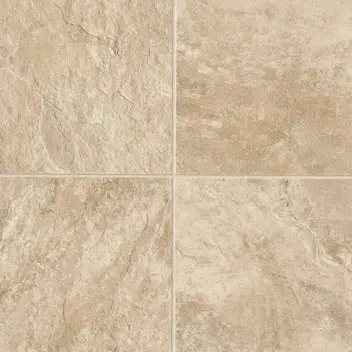
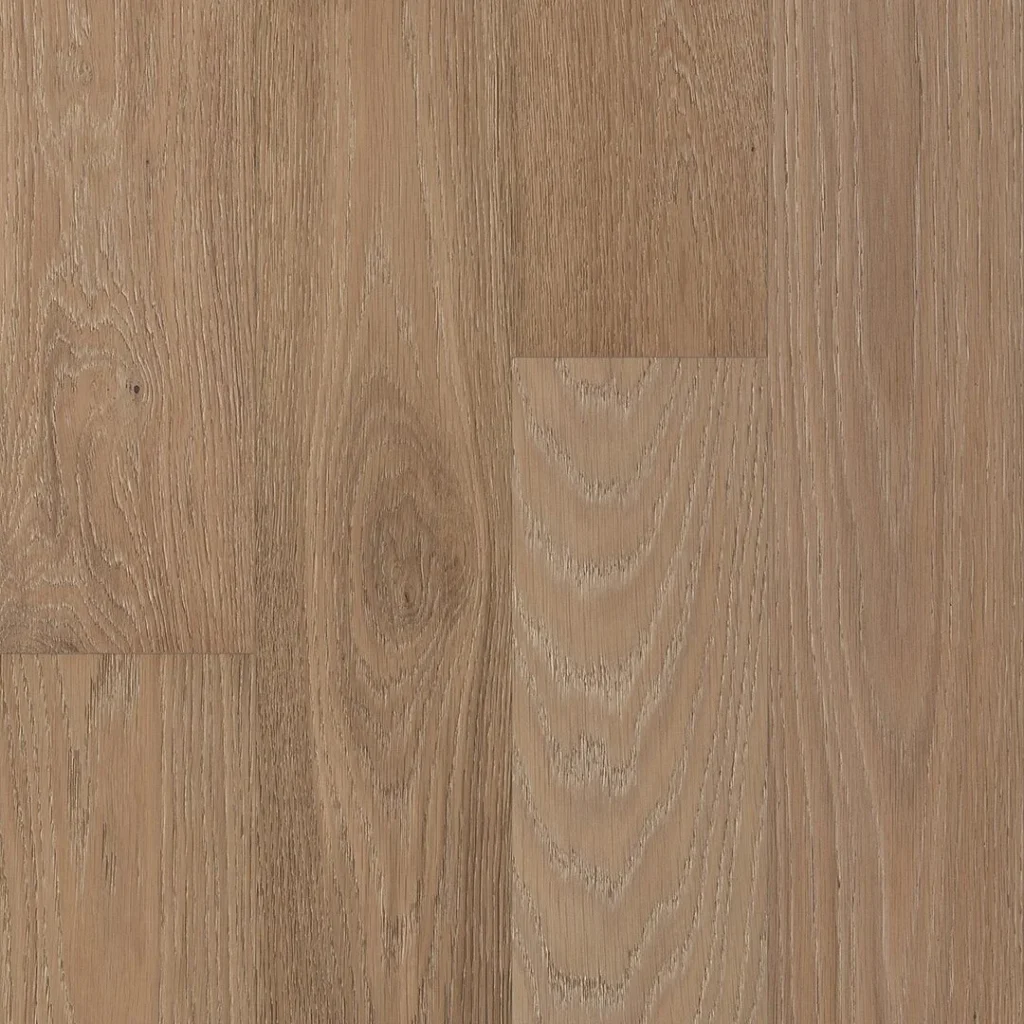
Engineered Hardwood
Grand Prairie – Oak
The Grand Prairie collection features European Oak wood with a lightly brushed surface that reveals the wood’s grain, character knots, and tonal contrast. The warm, earthy palette ranges from soft golden ambers and rich chestnuts to deep, smoky burnt umbers. An ultra-matte coating resists everyday wear while maintaining a refined, natural appearance underfoot. The result works across rustic and contemporary interiors and holds up to real family living.
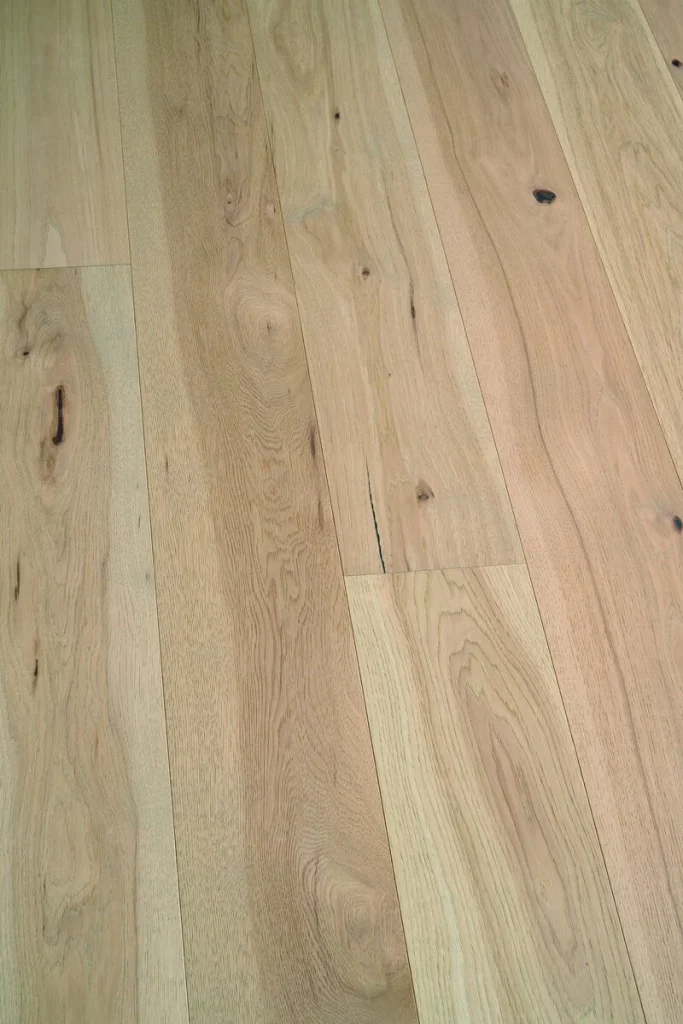
Engineered Hardwood
Silver Bell
Silver Bell is American Hickory with a lightly wire brushed surface that reveals the wood’s flowing grain patterns, character knots, and the contrast between light and dark tones. The palette of soft creams, pale wheats, and warm neutrals works in sleek modern interiors and relaxed transitional rooms alike.
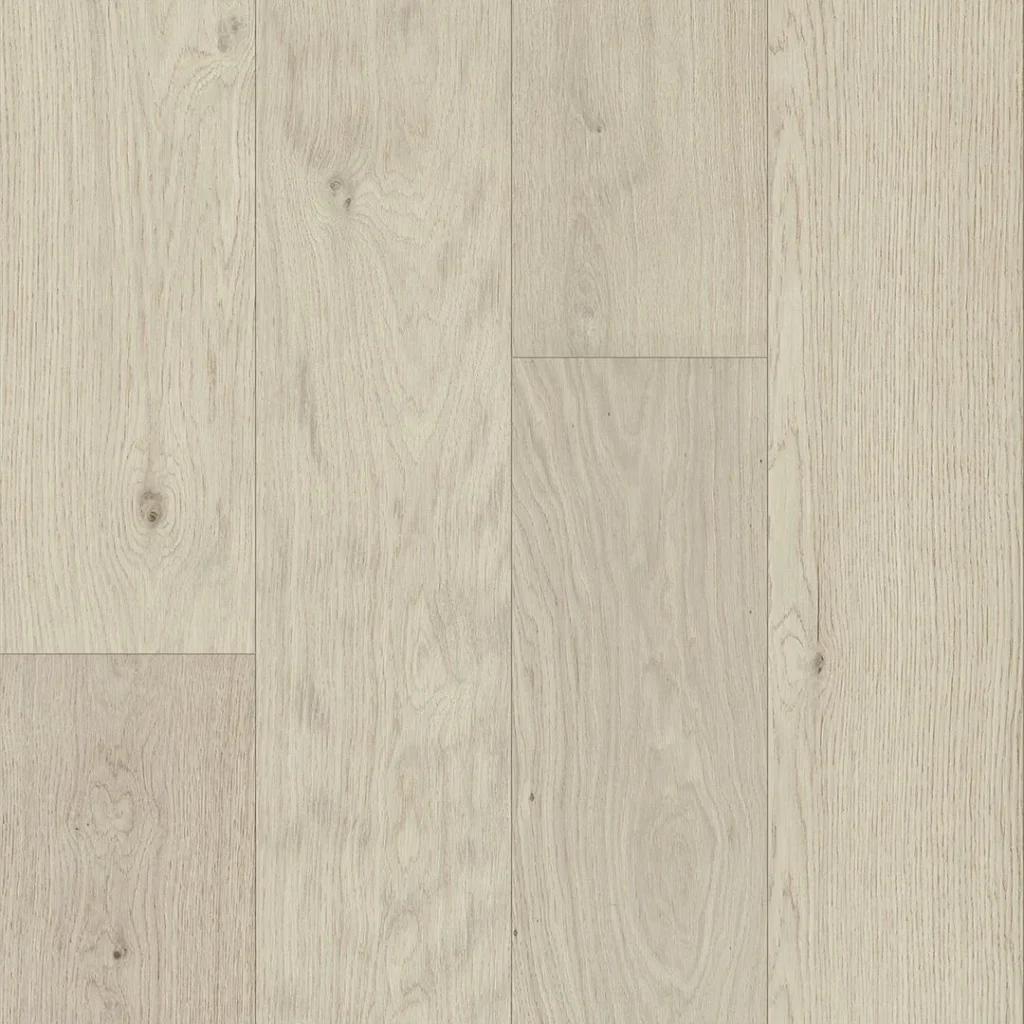
Engineered Hardwood
Lotus Lodge
Lotus Lodge features European Oak with a lightly wire brushed surface that reveals the wood’s grain and organic texture. Wide planks and a matte finish work in contemporary and transitional spaces. The palette ranges from soft naturals and creamy blondes to toasted tones.
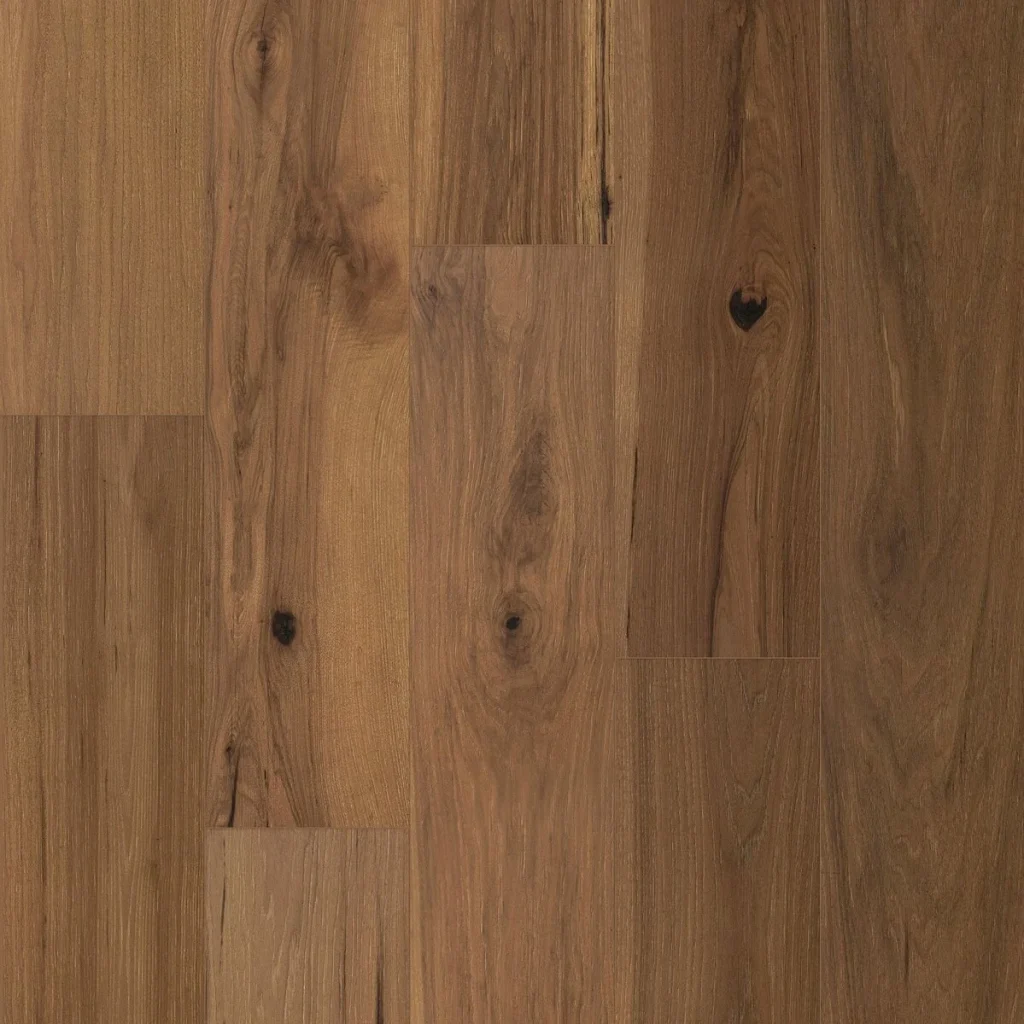
Engineered Hardwood
Grand Prairie – Hickory
The Grand Prairie collection features hickory with a lightly brushed surface that reveals the wood’s grain, character knots, and tonal contrast. The warm, earthy palette ranges from soft golden ambers and rich chestnuts to deep, smoky burnt umbers. An ultra-matte coating resists everyday wear while maintaining a refined, natural appearance underfoot. The result works across rustic and contemporary interiors and holds up to real family living.
No products match these filters.
THE HARDWOOD FLOORING ADVANTAGE
More Than a Beautiful Floor. A Choice Worth Making.
Hardwood flooring offers something imitation surfaces cannot fully recreate: genuine wood character that adds warmth and a distinctive look to your space. With the right product and care, it can remain part of your home for many years.
LET'S TALK ABOUT YOUR PROJECT
Find the Right Hardwood Without Guessing the Cost
Your hardwood choice affects more than the material price. Share your preferred style, approximate floor area, and project details so you can request product information, availability, and pricing before making your decision.
Have Questions? Call Us
(224) 567-8607
Monday–Friday: 10 AM–5 PM · Saturday: 10 AM–3 PM · Sunday: Closed
Find the Right Hardwood Without Guessing the Cost
Your hardwood choice affects more than the material price. Share your preferred style, approximate floor area, and project details so you can request product information, availability, and pricing before making your decision.
OUR HARDWOOD FLOORING BRANDS
Choose Hardwood With Confidence in Its Quality
A flooring purchase should be backed by more than an attractive photograph. Explore manufacturers and compare wood species, construction details, finish specifications, and warranty coverage before choosing your floor.





The Right Installation Helps Protect Your Hardwood Investment
The installation method affects how your hardwood floor performs over time. Subfloor type, moisture conditions, and flooring construction determine which approach is suitable. Understanding these options can help you avoid preventable installation problems.
Nail-Down / Staple-Down Installation
A traditional method that secures hardwood planks to a suitable wood subfloor using approved flooring nails or staples. Commonly used for solid hardwood and some engineered products.
Browse compatible stylesGlue-Down Installation
Compatible hardwood planks are bonded to a prepared subfloor using manufacturer-approved flooring adhesive. Frequently used with engineered hardwood, although certain solid products also permit it.
Explore glue-down vinylFloating Installation
Compatible engineered hardwood planks connect to one another over a suitable underlayment without being fastened directly to the subfloor. This method is generally not suitable for solid hardwood unless specifically approved.
Explore loose-lay vinylWorth checking: Installation requirements vary by manufacturer and product. Core construction (such as SPC or WPC) is not itself an installation method. Ask about a suitable option
PLAN YOUR HARDWOOD BUDGET
Know What You’re Paying for Before You Buy
Hardwood flooring prices vary considerably, and the cost of the boards isn’t the whole project budget. Understanding the factors behind material and installation expenses can help you make a more informed investment.
Wood Species & Construction
Wood species, solid or engineered construction, flooring grade, and wear-layer details influence material pricing.
Floor Area & Plank Dimensions
Room measurements, plank widths, installation patterns, and cutting allowances affect the amount of flooring required.
Subfloor & Installation Costs
Moisture testing, repairs, leveling, moisture-control systems, and installation methods can influence project expenses.
Finishing & Additional Materials
Transitions, trims, underlayment, adhesives, and any required site finishing contribute to the overall cost.
What Every Homeowner Should Know Before Choosing Hardwood Flooring
Hardwood flooring is a long-term decision, and not every wood floor performs or ages the same way. Species, finish, moisture conditions, plank dimensions, and maintenance habits all influence how your flooring will look and perform after installation. Understanding these details can help you choose with fewer regrets.
Will Hardwood Flooring Scratch Easily?
Scratches are one of the biggest concerns for homeowners considering real wood floors. Different wood species and finishes offer different levels of resistance to dents and surface wear. Harder wood species may resist some dents better, but no hardwood floor is completely scratchproof. Furniture pads, entrance mats, and regular cleaning can help reduce damage from grit and movement. Compare the product’s hardness, finish, and care instructions before making a purchase.
Understanding Moisture and Hardwood Flooring
Wood naturally responds to changes in humidity. Excess moisture or very dry conditions can contribute to swelling, gaps, cupping, and other movement. Engineered hardwood is generally more dimensionally stable than solid hardwood, but it is not automatically waterproof. The appropriate choice depends on your subfloor, indoor conditions, and the manufacturer’s installation limits. Confirm moisture requirements before ordering, especially for concrete subfloors and areas with fluctuating humidity.
Choosing a Wood Species That Fits Your Priorities
Oak, maple, hickory, and other hardwood species offer different grain patterns, colors, and hardness characteristics. Some homeowners prefer a consistent, understated appearance, while others enjoy dramatic grain variation and natural knots. If resistance to dents is important, compare species hardness alongside the flooring finish and expected use. Select wood for both its appearance and its practical characteristics rather than relying on color alone.
Hardwood Plank Width, Color, and Design
A hardwood sample may look different once it covers an entire room. Wide planks can highlight the wood’s natural character, while narrower boards create a more traditional appearance. Light finishes can make a room feel open, while darker colors add contrast but may show dust or surface marks more noticeably. View samples beside your cabinetry, walls, and furniture. Consider natural lighting and the amount of variation between boards before deciding.
Can Hardwood Flooring Be Refinished?
One of hardwood flooring’s major long-term advantages is that many products can be renewed instead of fully replaced. Solid hardwood commonly offers greater refinishing potential because its wood extends through the plank. Engineered hardwood may also be refinishable, but this depends on the thickness of its real-wood wear layer and the manufacturer’s guidance. Some engineered products are not suitable for sanding. Check this detail before purchasing if future refinishing matters to you.
What Does Hardwood Flooring Maintenance Involve?
Hardwood flooring doesn’t have to be difficult to maintain, but it does require appropriate care. Regular dust removal helps prevent grit from scratching the finish. Spills should be cleaned promptly, and standing water should be avoided. Use cleaning products approved for the specific finish rather than excessive water or harsh chemicals. Maintaining suitable indoor humidity can also help reduce seasonal wood movement. Knowing these requirements in advance makes it easier to choose flooring that fits your lifestyle.
FREQUENTLY ASKED QUESTIONS
Hardwood Flooring Questions, Answered
Get clear answers to common questions about solid and engineered hardwood before choosing the right flooring for your home.
Neither is automatically better. Solid hardwood offers substantial refinishing potential, while engineered hardwood generally provides greater dimensional stability and more installation options. The right choice depends on your subfloor, indoor conditions, budget, and long-term plans.
All hardwood can develop scratches, but resistance varies by species, finish, and use. Choosing suitable products and using protective furniture pads, entry mats, and regular cleaning can help reduce surface damage.
No. Engineered hardwood is generally more dimensionally stable than solid hardwood, but prolonged water exposure can damage the wood and its construction. Follow the manufacturer’s moisture and maintenance requirements.
Properly selected and maintained hardwood flooring can last for decades. Its lifespan depends on construction quality, finish, installation, environmental conditions, and the possibility of future refinishing.
Some engineered hardwood products can be refinished, while others cannot. The thickness of the real-wood wear layer, product design, and manufacturer instructions determine what is possible.